

For Sabrina Ramirez, visions of what her future would look like changed through each season of life.
“I became a mom of three and school took a backseat,” said Ramirez. “My husband is a traveling welder and is gone often for work, so we joke that I’m a married-single mom.”
Throughout the years of raising her children, she dreamed of growth beyond her home, knowing another passion awaited in the professional world. Ten years later, at 28, she decided it was time. Her dream? Engineering design.
“I put my whole life on hold by accident to prioritize my family,” she said. “But going back to school was something I always wanted to accomplish.”
For Ramirez, a first-generation high school and college graduate, a vocational program was ideal because of its strong career opportunities and shorter timeline, which is why she chose Wharton County Junior College to begin her next chapter.
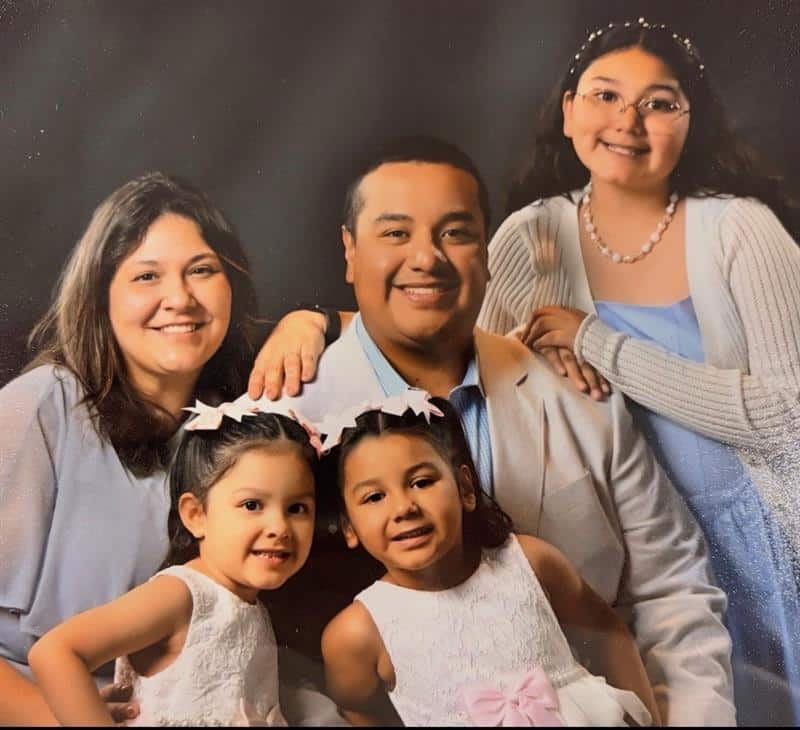
Even so, the realities of raising a young family of five loomed. Paying for school became uncertain while she faced the strict timeline of classes, many of which are only offered during certain semesters. Ramirez said if she could not find the money to pay for school, she would have to wait a year to complete the program.
Ramirez is exactly who the Houston Livestock Show and Rodeo supports through its ongoing commitment to education.
But many people fit that description, especially those pursuing careers in trade fields.
Since 2015, the Rodeo has focused not only on supporting the next generation of the vocational workforce, but also on expanding that support. In 2026, the Rodeo will commit a total of $2 million to vocational education, bringing its total investment over 11 years to more than $30 million through various programs, including its Vocational Scholarship Program, the Area Go Texan Vocational Scholarship Program, the inaugural Hildebrand Rural Scholars Program and grants.
These programs support scholars who have decided a traditional four-year degree may not be for them, or who, like Ramirez, are starting over. More specifically, they support students pursuing careers in the skilled trades — an industry experts say is facing growing workforce shortages.
Recently, the Texas Workforce Commission launched multiple initiatives targeting high-demand jobs, apprenticeships and skilled trade shortages amid growing concerns about the future workforce. Simultaneously, CEOs for major companies, such as Ford, have sounded the alarm on the future of skilled trade professionals.
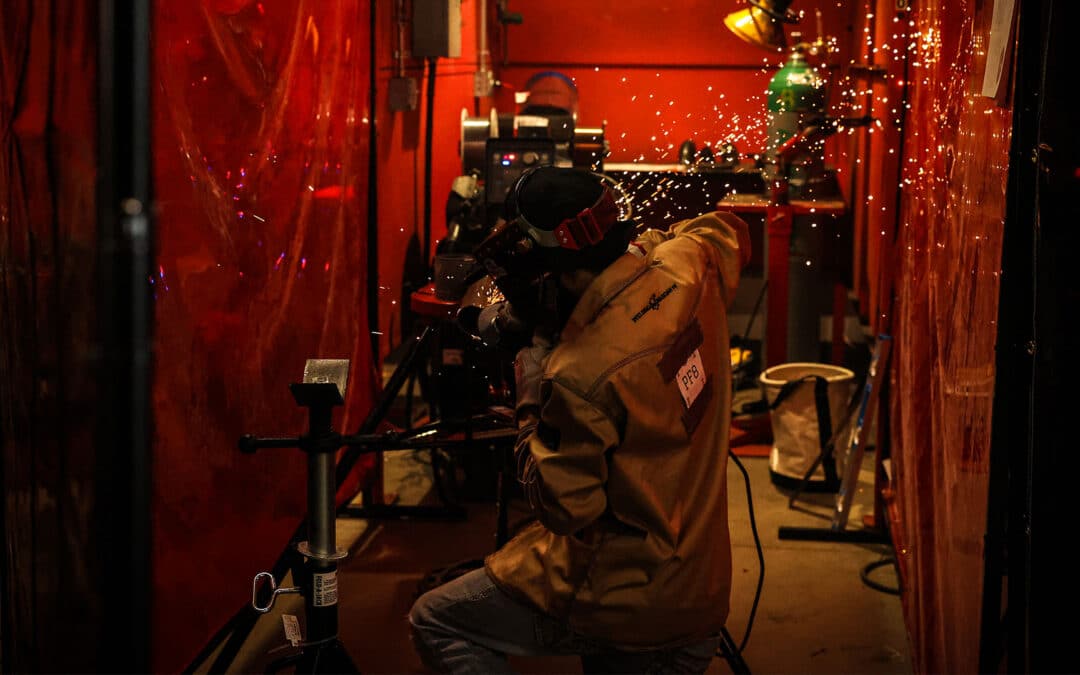
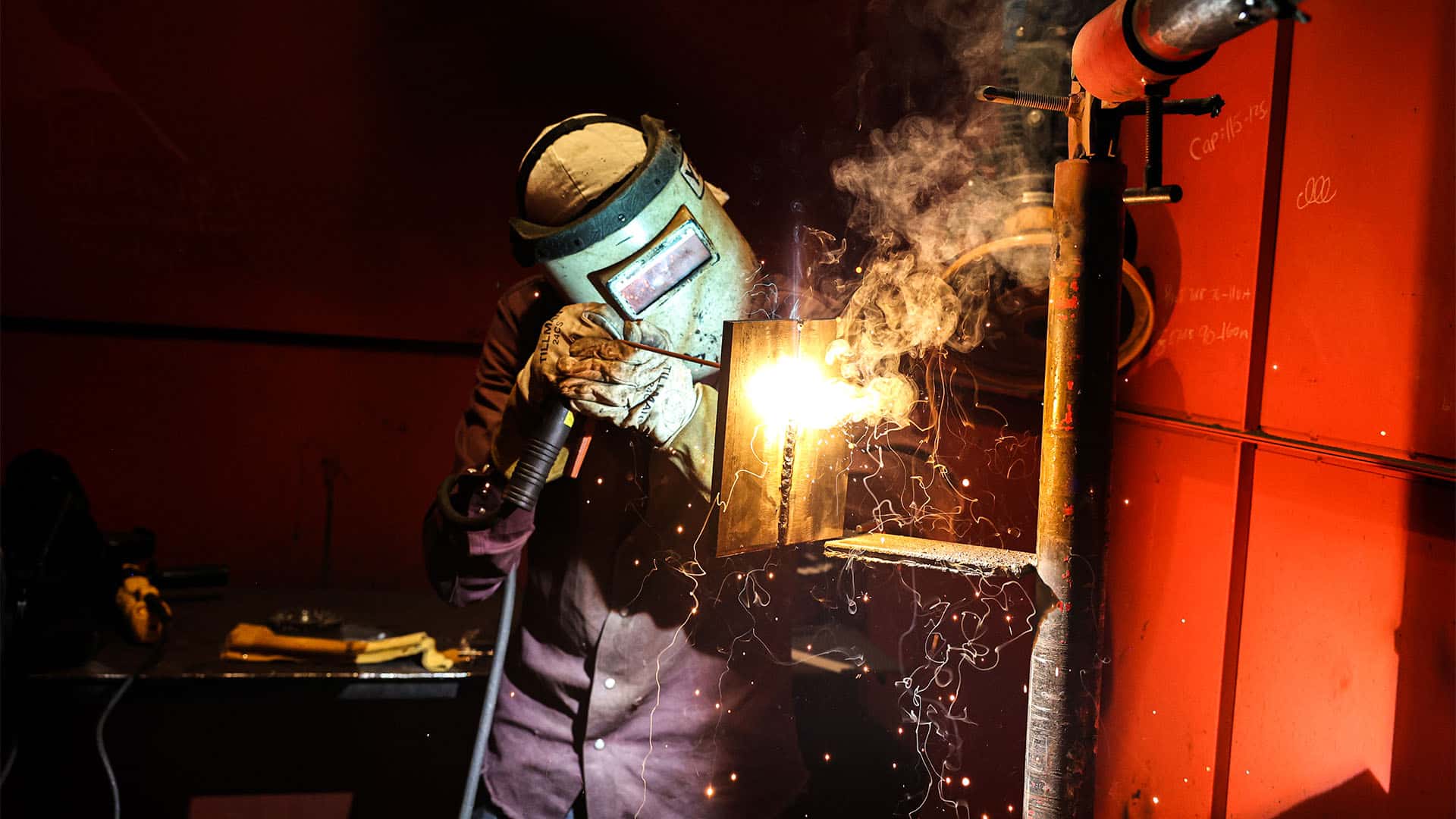
With that growing demand, Rodeo’s vocational scholars are entering many of the industries at the center of these workforce conversations. This year, 50% of Rodeo vocational scholars are focused on industrial degree programs such as HVAC, process technology, aviation maintenance, automotive technology, construction management, welding, pipefitting, computer drafting and manufacturing, while the other 50% are pursuing medical industry programs.
Two of the Rodeo’s four pillars are agriculture and education. While its record $30 million educational commitment in 2026 supports students pursuing traditional four-year degrees, the Rodeo also invests heavily in vocational programs, recognizing skilled trades are essential in sustaining the agriculture industry.
Modern agriculture depends on far more than farming alone; it relies on a highly skilled technical workforce to power the infrastructure, technology and operations behind the industry.
“Vocational education plays a critical role in building a strong and sustainable workforce, which is why the Rodeo remains deeply committed to expanding its investment in these programs,” said Houston Livestock Show and Rodeo Chairman of the Board Pat Mann Phillips.
Under the leadership of current Chairman of the Board Pat Mann Phillips, the Rodeo’s vocational initiatives expanded, increasing the organization’s annual commitment to the program while cultivating partnerships with colleges and donors whose matching support helped grow scholarships and grants to a combined $2 million.
“We are proud to support these career ready scholars as they pursue opportunities that contribute to industries vital to our communities and the agriculture industry.”
Be it starting over or perhaps being the first in your family to go to college — nearly 50% of Rodeo scholars are first-generation college attendees — the Rodeo understands these journeys require meaningful support and opportunity for the next generation.
For those who want to grow, contribute to something bigger than themselves or, for people like Ramirez, be a role model to their children, a scholarship like the Rodeo’s can serve as a bridge between graduation and the next chapter of success.
“Finishing school brought me a sense of fulfillment,” said Ramirez. “Not only was I able to provide financial stability, but I was also able to show my three daughters that it’s never too late to start over and that nothing can stand in the way of something you truly want.”